
Artists
Joey Waronker: The Sound Architect of Modern Alternative Rhythm
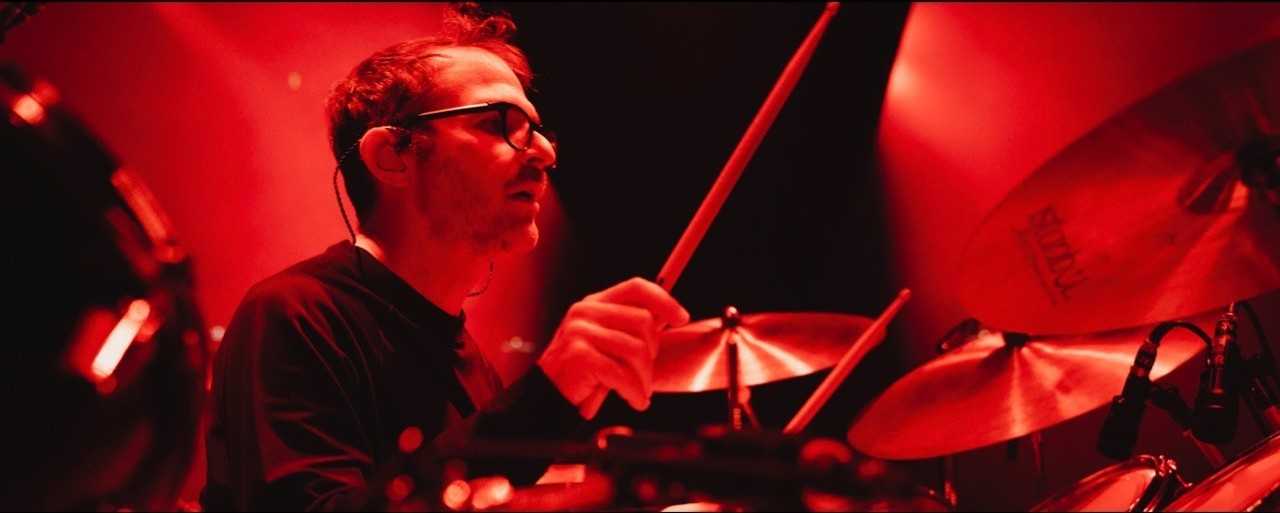
In the world of modern alternative and experimental rock, some drummers dominate through speed or flash — but others shape entire musical landscapes through feel, texture, and taste. Joey Waronker belongs firmly in that second category. Known for his deeply musical approach and exceptional versatility, Waronker has become one of the most respected session and touring drummers of his generation.
From atmospheric art-rock to groove-driven indie, his playing has quietly powered some of the most influential records of the past three decades.
Younger Years
Joey Waronker was born into music. His father, Lenny Waronker, was a legendary record executive who worked with iconic artists across multiple eras. Growing up in Los Angeles, Joey was immersed in recording studios, absorbing music culture from a very early age.
Initially drawn to the drums as a teenager, he quickly developed an ear-first approach rather than focusing solely on technical display. He studied jazz and contemporary styles, learning how to blend groove, dynamics, and musical sensitivity — traits that would later define his career.
Career Journey
Early Breakthroughs
Waronker’s first major exposure came in the 1990s when he joined Beck as his touring drummer. His work on albums like Odelay helped establish his reputation as a creative, adaptable player capable of navigating unconventional arrangements.
Work with Major Artists
Over the years, Waronker has built an extraordinary résumé, collaborating with some of the most respected names in alternative music:
- R.E.M. – Served as their drummer after Bill Berry’s retirement, bringing fresh energy while respecting the band’s signature sound.
- Thom Yorke – Played in Yorke’s solo projects and experimental live setups.
- Atoms for Peace – Contributed to their intricate, rhythm-heavy electronic-rock fusion.
He has also worked with artists such as Elliott Smith, Roger Waters, Oasis, Lisa Germano, and Ultraísta, further showcasing his stylistic breadth.
Drumming Style
Joey Waronker’s style is often described as deeply musical rather than technically flashy. His key characteristics include:
- Groove-Centered Playing
He prioritizes feel above all else, crafting drum parts that support the song rather than dominate it.
- Dynamic Sensitivity
Waronker excels at subtle shifts in volume and texture, often using ghost notes and nuanced cymbal work.
- Textural Creativity
He frequently experiments with percussion layers, unconventional drum sounds, and hybrid acoustic-electronic setups.
- Adaptability
Whether performing indie rock, experimental electronic music, or acoustic singer-songwriter material, he adjusts his approach seamlessly.
His playing is a masterclass in restraint — proving that power in drumming often lies in what you choose not to play.
Legacy and Influence
Though not a mainstream household name, Joey Waronker has earned immense respect among musicians, producers, and drummers. His legacy lies in:
- Helping define the rhythmic identity of alternative rock since the 1990s
- Setting a standard for musicality over showmanship
- Influencing modern session drummers to focus on tone, feel, and song support
He represents the ideal of the “musician’s drummer” — valued not for spotlight moments, but for elevating every project he touches.
Here are a couple of highlight videos of Joey Waronker:
Roger Waters – Money Live
Liam Gallagher & John Squire – Mars To Liverpool Live
Joey Waronker’s career demonstrates that great drumming is not always about speed or complexity. Instead, it’s about listening, shaping emotion, and serving the music with intention.
Through decades of collaborations with innovative artists, he has quietly become one of the most important rhythmic voices in contemporary alternative music — a drummer whose subtle touch leaves a lasting impact.
Love discovering legendary drummers?
Explore more artist stories, sheet music, and rhythm insights at Best Music Sheet — and take your musical knowledge to the next level.