
Artists
Carlton Barrett: The One Drop That Changed the World
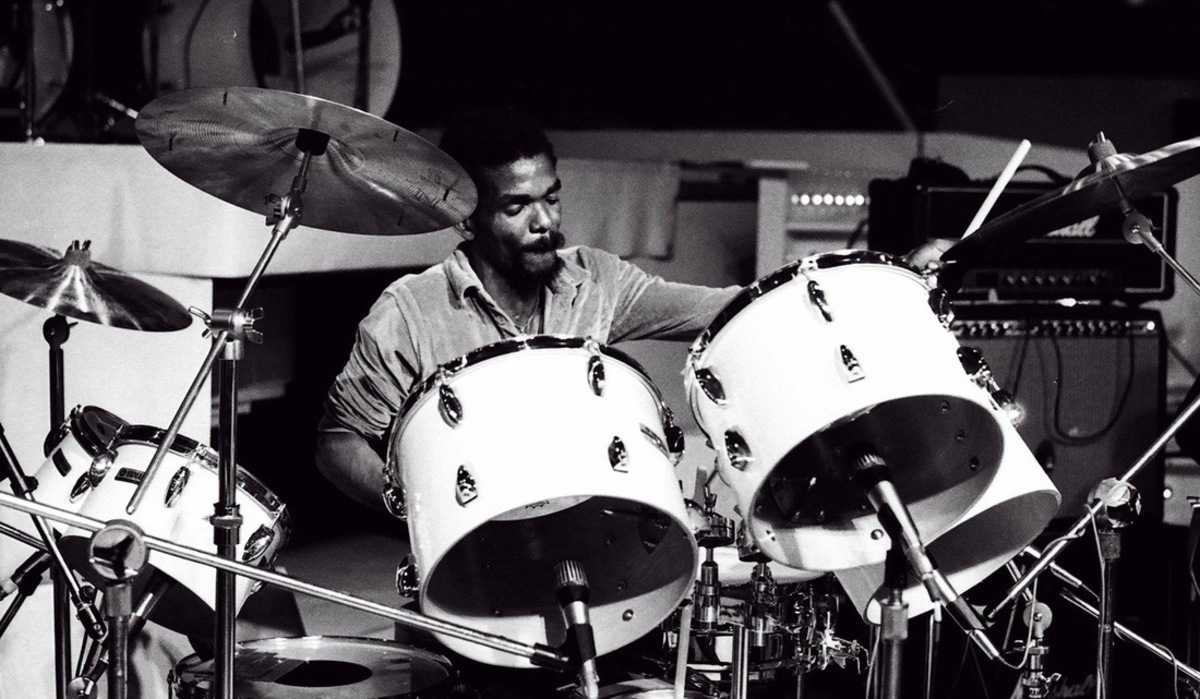
Few drummers have shaped an entire genre the way Carlton Barrett shaped reggae. As the rhythmic backbone of Bob Marley & The Wailers, Barrett didn’t just keep time — he defined it. His playing was subtle yet revolutionary, minimal yet deeply expressive. Through the hypnotic pulse of the “one drop“ rhythm, Carlton Barrett helped carry Jamaican music from the streets of Kingston to every corner of the globe. His influence continues to echo in reggae, rock, hip-hop, and beyond.
Younger Years
Carlton Barrett was born on December 17, 1950, in Kingston, Jamaica — a city alive with sound systems, ska, rocksteady, and the emerging pulse of reggae. Music surrounded him from an early age, and rhythm became second nature. His younger brother, Aston “Family Man” Barrett, would later become one of the most influential bass players in reggae history, making rhythm a family affair.
Growing up in Jamaica’s vibrant musical environment, Carlton absorbed Afro-Caribbean rhythms, Rastafarian spirituality, and the deep cultural importance of groove over flash. These early influences would later form the foundation of his unmistakable drumming style.
Career
Carlton Barrett’s career reached its peak when he joined The Wailers, becoming the primary drummer during Bob Marley’s most important years. Alongside Family Man Barrett on bass, he formed one of the most iconic rhythm sections in modern music.
He played on landmark albums such as:
- Natty Dread
- Rastaman Vibration
- Exodus
- Kaya
- Survival
- Uprising
Carlton’s drumming helped carry Bob Marley’s messages of unity, resistance, and spirituality across the world. His grooves powered legendary songs like “No Woman, No Cry,” “Three Little Birds,” “Get Up, Stand Up,” and “Exodus.”
While Bob Marley was the voice, Carlton Barrett was the heartbeat.
Drumming Style
Carlton Barrett is most famously associated with the “one drop” rhythm — a reggae pattern where the emphasis falls on beat three instead of beat one. This approach created a relaxed yet deeply powerful feel, allowing space for lyrics, bass lines, and melody to breathe.
Key characteristics of his style include:
- Sparse, economical playing
- Heavy emphasis on groove and feel
- Snare and kick often land together on beat three
- Subtle ghost notes and hi-hat control
- Deep connection between drums and bass
Carlton understood that what you don’t play can be just as important as what you do. His drumming was never about technical showmanship — it was about serving the song, the message, and the collective groove.
Death
Tragically, Carlton Barrett’s life was cut short. On April 17, 1987, he was murdered in Kingston, Jamaica, during a dispute involving a family member. He was only 36 years old.
His death shocked the music world and silenced one of reggae’s most essential voices. Yet despite his short life, Carlton Barrett had already secured his place in music history.
Legacy
Carlton Barrett’s legacy is immeasurable. His drumming defined reggae’s rhythmic language and influenced generations of musicians across genres. From punk to hip-hop, from rock to modern pop, echoes of his grooves can still be heard.
Many drummers study Carlton Barrett not to learn fills or chops, but to understand feel, restraint, and musical purpose. His work remains a masterclass in groove, proving that simplicity — when played with conviction — can move the world.
Together with Aston “Family Man” Barrett, Carlton created one of the most respected rhythm sections of all time.
Here are a few highlight videos of Carlton Barrett:
Stir It Up and Concrete Jungle Live in studio 1973
No Woman, No Cry Live 1977
I Shot the Sheriff Live 1977
The Genius of Carlton Barrett by Drumeo
Carlton Barrett didn’t just play drums — he shaped the soul of reggae. His rhythms carried hope, resistance, and unity, grounding Bob Marley’s message in a pulse that felt both spiritual and universal. Decades after his passing, his grooves still breathe, sway, and inspire. In every laid-back beat and every perfectly placed silence, Carlton Barrett lives on.
Discover Carlton Barrett’s legendary grooves and many more iconic drum parts on Best Music Sheet. Learn, play, and feel the rhythms that shaped music history.