

Soul music, with its rich grooves and heartfelt melodies, is a genre that has captured the hearts of many. For drummers, this style offers a unique blend of rhythm and soulfulness that challenges both technique and expression. With artists like Al Green, Amy Winehouse, and Aretha Franklin, the drumming patterns vary from intricate to straightforward, accommodating different skill levels. In this editorial, we will explore strategies for effectively learning and practicing soul drumming, guiding you in selecting songs that suit your level while enhancing your skills. Whether you're a budding drummer or an experienced musician, understanding the pivotal role of rhythm and dynamics will empower you to bring your own voice to this timeless genre.
(Your Love Keeps Lifting Me) Higher and Higher — Jackie Wilson

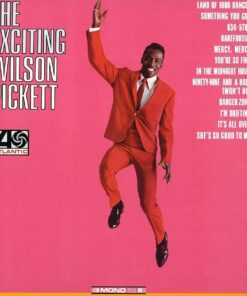
634-5789 — Wilson Pickett
Ain't No Mountain High Enough — Marvin Gaye

Ain't No Sunshine — Bill Withers


A Natural Woman — Aretha Franklin

Dance With Me — Bruno Mars

De Ja Vu — Omar

God Was Showing Off — Bruno Mars
How Can You Mend A Broken Heart — Al Green

I Say A Little Prayer — Aretha Franklin

Just The Two Of Us — Grover Washington Jr

Killing Me Softly with His Song — Roberta Flack

Choosing Among Listed Song Versions
When selecting a song from our soul music drum sheet catalogue, it’s essential to consider your skill level and the nuances in each piece. For beginners, tracks like Let’s Stay Together by Al Green and Respect by Aretha Franklin offer accessible rhythms that still capture the essence of soul. Intermediate drummers might enjoy challenging themselves with tracks such as Rehab by Amy Winehouse or Ain’t No Sunshine by Bill Withers. Each song brings its unique groove and requires a different approach to dynamics and timing, making careful selection critical for effective practice.
A Practical Drum Practice Method
To truly master soul drumming, consider a structured practice routine that emphasizes groove, dynamics, and texture. Start with a simple metronome exercise, gradually increasing the tempo as you become comfortable with the rhythms. Here’s a suggested approach:
- Warm-Up: Spend 10-15 minutes on basic rudiments to get your hands and feet coordinated.
- Technique Development: Focus on specific sections of the song you wish to learn. For example, while practicing Tired of Being Alone, isolate the snare and hi-hat pattern to develop clarity.
- Play Along: Use play-along tracks or recordings to enhance your timing and groove. Playing along with hits like Midnight Train to Georgia can help internalize the rhythm of soul music.
- Dynamics Practice: Experiment with playing both softly and loudly, responding to the emotional cues in the music, as shown in the song Sweet Love by Anita Baker.
These structured methods foster a deep understanding of how to balance technical skill with the expressiveness that soul music demands.
Engaging Questions for Further Exploration
As you delve deeper into the world of soul drumming, consider these questions:
- How can I improve my groove? The key to improving your groove lies in listening. Spend time listening to various soul tracks. Focus on how the drummer interacts with the other instruments, especially bass and guitar.
- What should I focus on when playing with other musicians? When playing with a band, aim to lock in with the bass and maintain a steady rhythm while being mindful of dynamics. The subtle shifts in volume and intensity can significantly impact the overall sound.
- How do I incorporate improvisation into soul drumming? Start by mastering the foundational rhythms of the songs you love. Once you’re comfortable, slowly introduce variations in fills and transitions to add a personal touch to your playing.
By exploring these queries, you can enhance your musicality and understanding of the soul genre.
