

French music is a captivating journey through varied rhythms and emotional depth, making it a splendid choice for drummers at all levels. Our archive offers a rich selection of drum sheets featuring iconic French songs, ranging from compelling ballads to lively tunes. Each song presents unique challenges and opportunities for skill development, serving not only as practice material but also as a gateway to understanding musical styles and cultural nuances. In this editorial, we will discuss tips for selecting suitable songs, effective practice strategies, and answer common questions encountered by drummers navigating this vibrant repertoire.
113ème cigarettes sans dormir — Hubert-Félix Thiefaine

Alice — Eddy Mitchell

Autoroutes jeudi d’automne — Hubert-Félix Thiéfaine

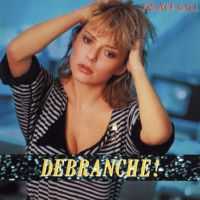
Debranche ! — France Gall
Exit to Chatagoune-goune — Hubert-Félix Thiéfaine
Famille — Génération Goldman

Gardien de Nuit — Francis Cabrel
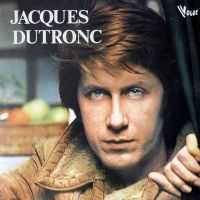
Gentleman cambrioleur — Jacques Dutronc
Hexagone — Renaud

Il me dit que je suis belle — Patricia Kaas

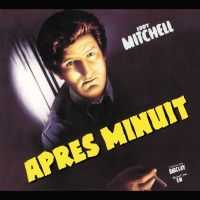
Il ne rentre pas ce soir — Eddy Mitchell
J'ai tant rêvé — Henri Salvador
French songs offer a wealth of rhythmic diversity, appealing to drum enthusiasts across skill levels. With a catalogue of options ranging from beginner to advanced, drummers can find satisfaction in the artistry and emotion of French music. This editorial covers valuable insights for selecting drum sheets from renowned French artists, fostering effective practice methods, and addressing common queries.
Choosing Among Listed Song Versions
When selecting from our collection of French song drum sheets, consider your preferred playing style and the specific aesthetics of the songs. The rhythmic patterns and styles can vary significantly, even among songs by the same artist. Take a look at these examples:
- Beau Dommage – La Complainte du phoque en Alaska: Perfect for beginners, this song’s simple yet captivating beat allows for an easy entry into drumming.
- Eddy Mitchell – Sur la route de Memphis: Another beginner-friendly option, it features fundamental rhythms that can help develop your foundational skills.
- Gérard Lenorman – Si j’étais Président: A more advanced challenge, offering intricacies in rhythm that will stretch your abilities.
Evaluate the skill level associated with each piece, and consider starting with iconic songs that resonate with you for an enjoyable practice experience.
A Practical Drum Practice Method
Regardless of the chosen song, establishing a structured practice regimen can enhance your learning and playing proficiency. Here are some practical methods:
- Break Down the Bars: Begin by learning one measure at a time. This is especially useful for more complex songs like Hubert-Félix Thiéfaine’s Autoroutes jeudi d’automne, which demands concentration on each rhythmic component.
- Use a Metronome: Start slow. Gradually increasing the tempo while maintaining accuracy can lead to solid mastery of songs like Eddy Mitchell’s Il ne rentre pas ce soir, which features steady beats essential for timing.
- Focus on Dynamics: Pay attention to the dynamics of the piece. For instance, Il me dit que je suis belle by Patricia Kaas requires sensitivity to the emotional flow. Practicing with dynamics can lead to more expressive playing.
Practice is about consistency, so allocating time each day to focus on both technical skill and song repertoire will yield substantial progress.
Relevant Questions and Answers
What should I do if I struggle with a specific rhythm?
If you find a rhythm particularly challenging, consider breaking it into smaller, manageable parts. Practice that section repetitively until you gain confidence. Utilizing different stick techniques or drum sounds can often help clarify a rhythm that feels ambiguous.
How can I maintain motivation when practicing?
Set achievable goals for each practice session. This could be mastering a specific song, refining a technique, or even playing along with the original track. Celebrating small milestones will help keep your spirits high and foster a love for continuous learning.
Are there benefits to playing with others?
Absolutely! Playing with other musicians exposes you to different styles and can enhance your adaptability and comprehension of varied rhythms. It can also make practice feel more enjoyable and motivating.